Every business that advertises makes attribution decisions, whether it realizes it or not. Trusting Ads Manager is an attribution decision. So is judging ads on last-click ROAS. This guide explains the choices in plain English and links to deeper guides on each topic.
What Is Ad Attribution?
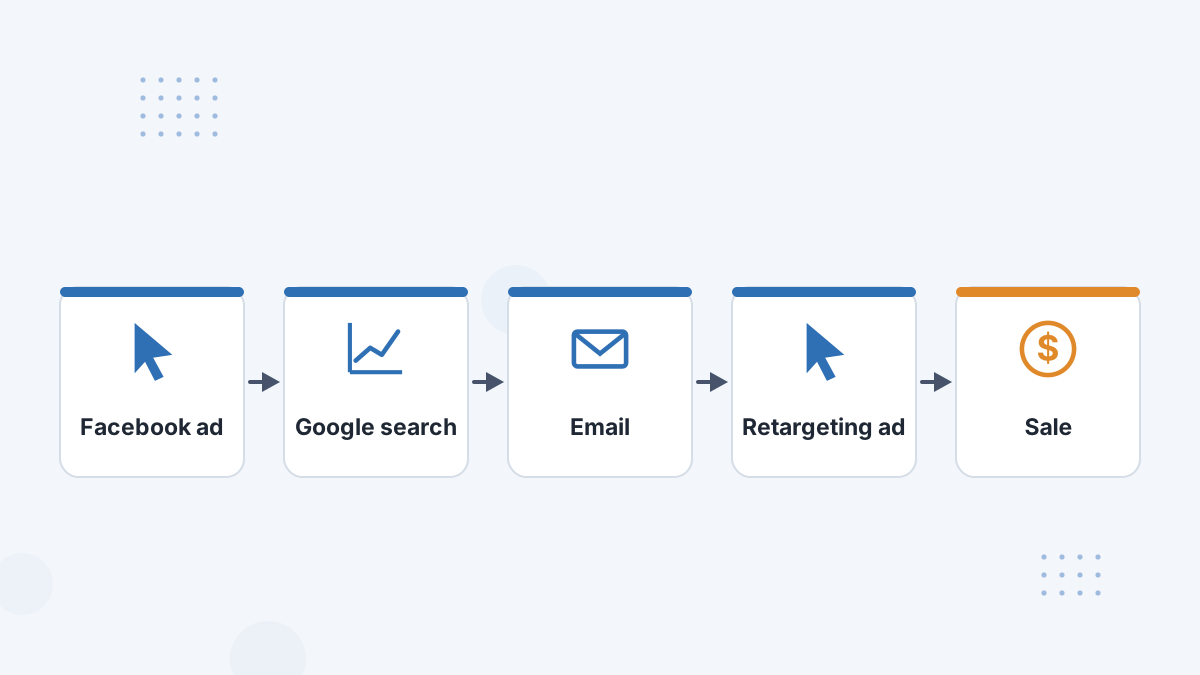
Ad attribution is the process of assigning credit for a conversion to the marketing touches that led to it. A conversion might be a purchase, a lead, a booked call or a subscription.
It matters because most buyers touch several ads and channels before they buy. Someone might see a TikTok ad, search on Google, open an email and click a retargeting ad. Which one "made" the sale? Your answer decides where next month's budget goes.
Why Your Ad Platforms Disagree
Each ad platform reports conversions using its own rules and its own view of the journey. Meta, Google and TikTok each credit any sale they touched within their own windows, so their totals often add up to more sales than you made.
Privacy changes widened the gap. Browser pixels now miss some purchases, and platforms fill gaps with modeling. Our guides to Facebook attribution problems, iOS tracking changes and Google Ads attribution explain the specifics.
The Building Blocks of Attribution
Rules for splitting credit: first click, last click, linear, time decay, position-based and data-driven.
How long after a click or view a conversion can still be credited.
Sharing credit across every touch in the journey.
Recording conversions from your server, not the browser.
Connecting a phone click to a laptop purchase.
Tagging links so every visit has a known source.
Attribution Models in Brief
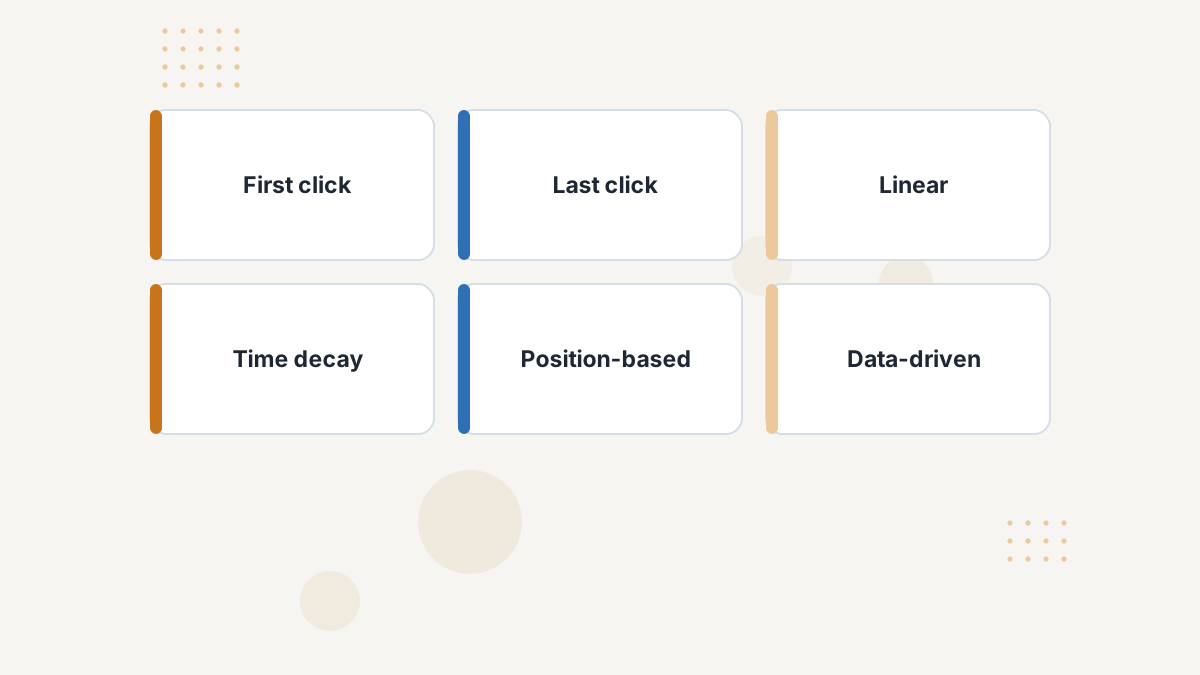
Single-touch models give all credit to one touch: first click rewards ads that start journeys, last click rewards what closes them. Multi-touch models share credit across touches by a rule or by statistical modeling.
No model is "true". Each answers a different question. The practical habit is to compare first-click and last-click views and agree a balanced model for budget reviews. Start with attribution models explained and first touch vs last touch.
Tracking Methods: Pixel, Server-Side and Identity
How you record conversions matters as much as how you credit them. Browser pixels are easy but leaky. Server-side tracking records conversions from your checkout or CRM. Identity-based matching links visits through details like email, so journeys survive device switches.
Learn more in server-side tracking, Facebook Conversions API, Google enhanced conversions and cookie consent and tracking.
Platform-Specific Guides
- Meta: pixel not tracking, Meta attribution settings, Conversions API.
- Google: Google Ads attribution, offline conversions, GA4 attribution, data-driven attribution.
- TikTok and YouTube: TikTok attribution, TikTok Events API, YouTube attribution.
- Shopify: Shopify attribution reports.
Attribution for Your Funnel Type
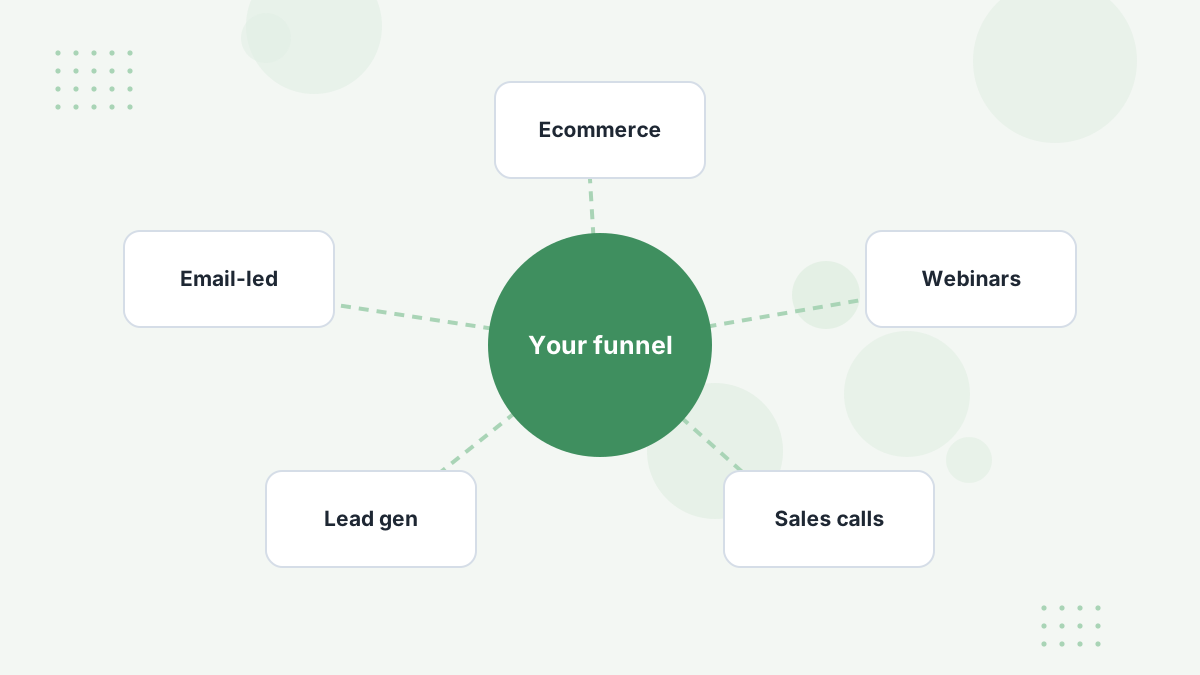
- Sales calls: tracking sales calls back to ads.
- Lead generation: tracking leads from ads.
- Webinars: webinar funnel tracking.
- Email-driven sales: email marketing attribution.
- Brand and word of mouth: self-reported attribution.
Metrics That Depend on Attribution
Every efficiency metric inherits its accuracy from attribution: ROAS, break-even ROAS, MER, POAS, CAC and LTV. If the attribution is wrong, so are they.
Beyond Attribution: MMM and Incrementality
Click-based attribution can't see everything, such as TV or a video watched without clicking. Larger advertisers add media mix modeling and incrementality testing to estimate those effects.
Choosing an Attribution Tool
When your journey spans several platforms, devices or a sales call, an independent tracker becomes worth it. Compare options in our best ad tracking software roundup, or see why we rate Hyros highly for multi-step funnels. New to the jargon? Keep the attribution glossary handy.
Ad Attribution FAQs
What is the best attribution model?
There isn't one. Compare first-click and last-click views, then agree a balanced multi-touch model for budget decisions.
Why don't ad platforms match your store?
Different windows, view-through credit, modeling and overlap between platforms.
Is Google Analytics enough for attribution?
It's a good free baseline but browser-based and Google-centric. Multi-platform funnels usually need more.
What is server-side tracking?
Recording conversions from your server or checkout instead of the visitor's browser, which is more reliable.